Software planning is the work of making a decision clear enough to act on. For a founder, product owner or small agency, that usually means understanding the problem, agreeing an outcome and deciding what evidence will show that the work is useful. Start there before choosing a planning application or turning every suggestion into a ticket.
Follow the decision, then the detail
Begin with requirements when the team disagrees about what it needs. Describe the people affected, the current workflow and the constraints. The requirements checklist includes a table with six illustrative examples, acceptance checks, evidence and ownership. Its CSV gives the team a reusable starting point without requiring another account.
Move to user stories when the need is understood but the work remains vague. The six examples cover ordinary actions as well as permissions, validation and failure states. Use the acceptance-criteria worksheet to make completion observable, and leave unresolved decisions visible rather than letting an implementer guess.
Use the roadmap-versus-backlog guide when stakeholders need to understand direction while the delivery team needs actionable detail. Its worked onboarding example connects an outcome, initiative, backlog item and acceptance check. It also explains why a roadmap date is not automatically a promise.
Use backlog prioritisation when there is more candidate work than capacity. The five-item example separates obligations and prerequisites from attractive improvements. Its decision log makes the reasoning visible when new evidence changes the order.
Keep the planning system proportionate
A short document and a spreadsheet can support this entire sequence. Add a tool only when you can describe the behaviour the current setup cannot provide. A complex board will not resolve an unclear owner or an untested requirement. Keep each record only as detailed as needed for the next decision.
The guides describe practical methods, with Scrum terms attributed where used. They do not require user stories, story points or a particular framework. Examples are illustrative, not customer results. Treat proposed thresholds and role names as starting points for your team to confirm.
If you are choosing shared software, take the agreed requirements into SaaS evaluation and the scorecard. If you already know what should change, use the communication templates to connect the accepted decision to the work.
Explore the guides
Software Requirements Checklist and Template for Small Teams
Define software requirements before you buy or build. Use a checklist and worksheet for workflows, data, integrations, access and acceptance checks.
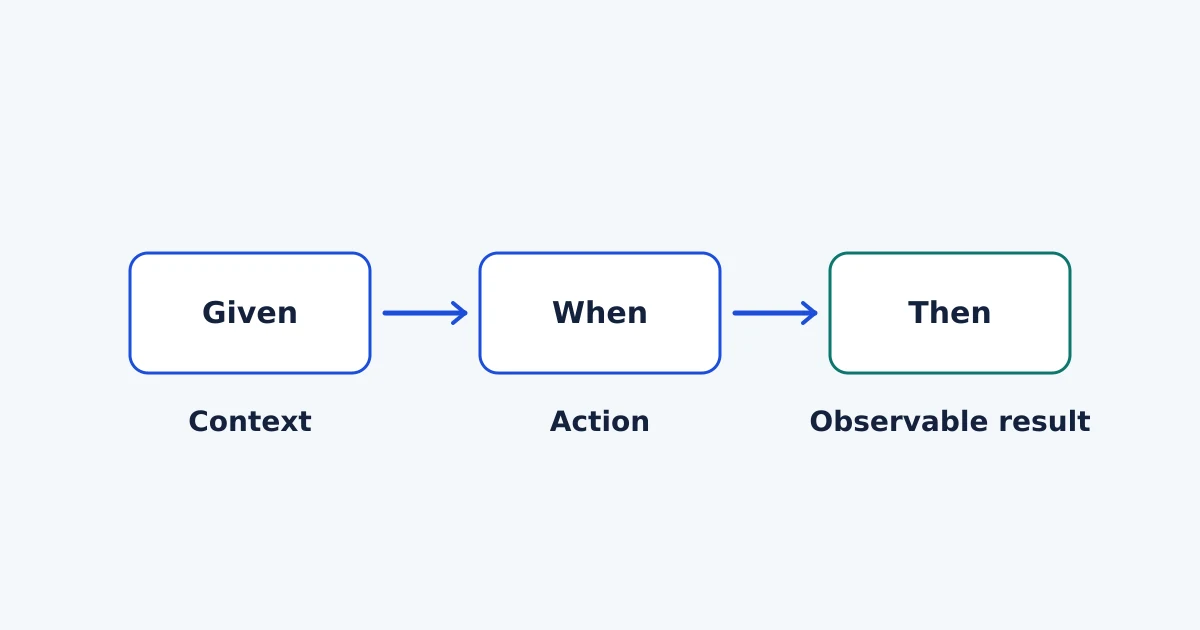
User Stories and Acceptance Criteria: Practical Examples
Write user stories with clear acceptance criteria. See six practical examples, common mistakes and a worksheet for turning requirements into testable work.
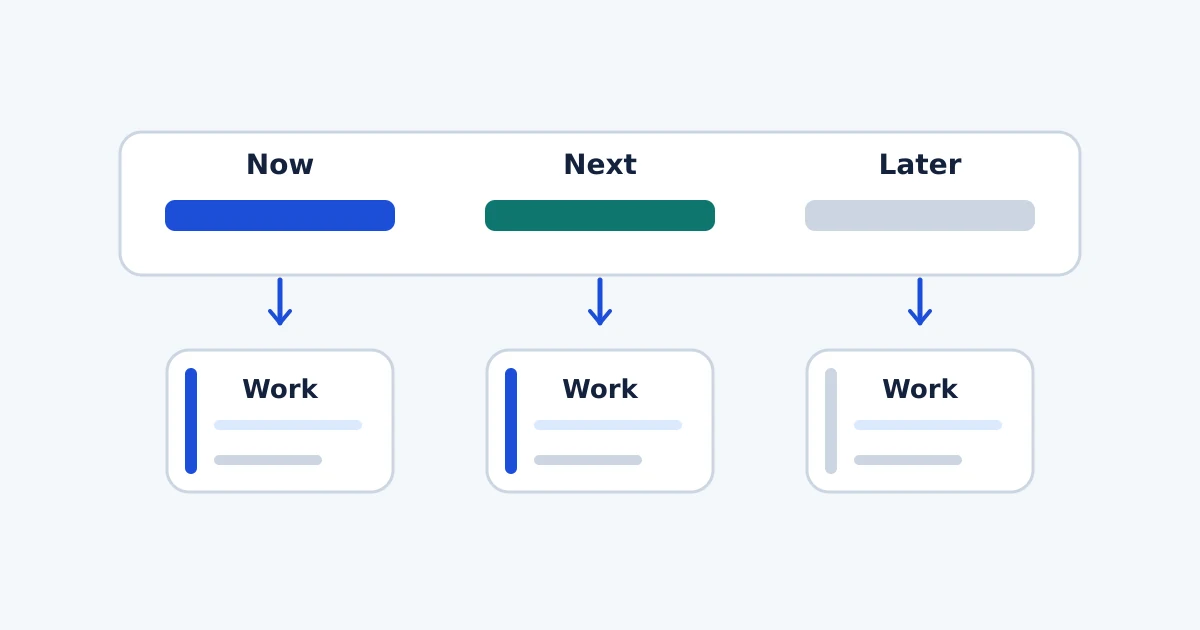
Product Roadmap vs Backlog: What Goes Where?
Understand the difference between a product roadmap and a backlog, with a comparison table and an example connecting outcomes to actionable work.
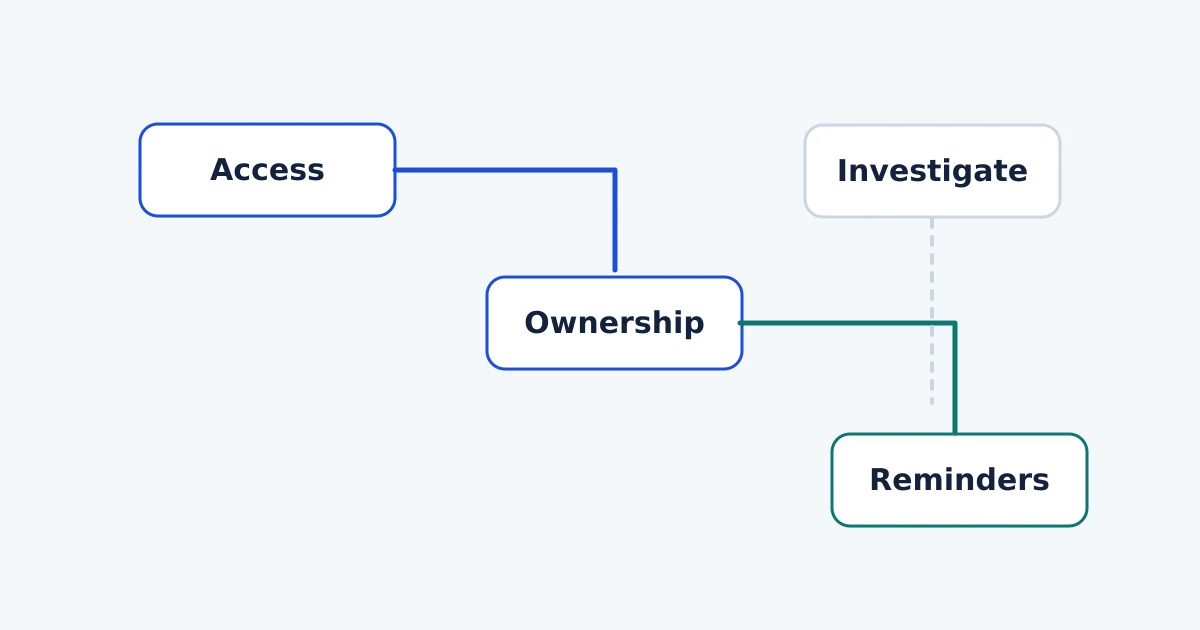
Backlog Prioritisation for Small Teams
Prioritise a small team’s backlog using evidence, effort and dependencies. Work through an example and keep a clear record of why decisions changed.
Lightwell App Builder: What Happened and Modern Alternatives
Discover what happened to Lightwell, why active support ended in 2019, and how to choose a modern tool for interactive stories or app development.